

Windows are an essential element of any home, providing light, ventilation, and aesthetic appeal. Understanding the different types of windows available on the market can help homeowners make informed decisions that suit both their style and functionality needs. In this blog, we will explore the various window types, discussing their features, benefits, and ideal usage scenarios.
Casement Windows
Casement windows are among the most popular window styles in the UK. These windows are hinged at the side and open outward like a door. They are operated with a crank, lever, or handle, which makes them particularly useful in hard-to-reach areas like over kitchen sinks or in bathrooms. Casement windows offer excellent ventilation because they can be opened fully, and their design allows for catching side breezes. Additionally, when closed, casement windows provide an effective seal for improved energy efficiency.
Sash Windows
Sash windows are quintessentially British and have been a part of the UK’s architectural landscape for centuries. These windows consist of one or more movable panels, or “sashes,” that slide vertically or horizontally. The traditional variant, known as the box sash window, operates with a weight and pulley system. More modern sash windows might use springs instead. Sash windows are valued for their classic aesthetic and the ability to control airflow precisely by opening either the top or bottom sash.
Bay and Bow Windows
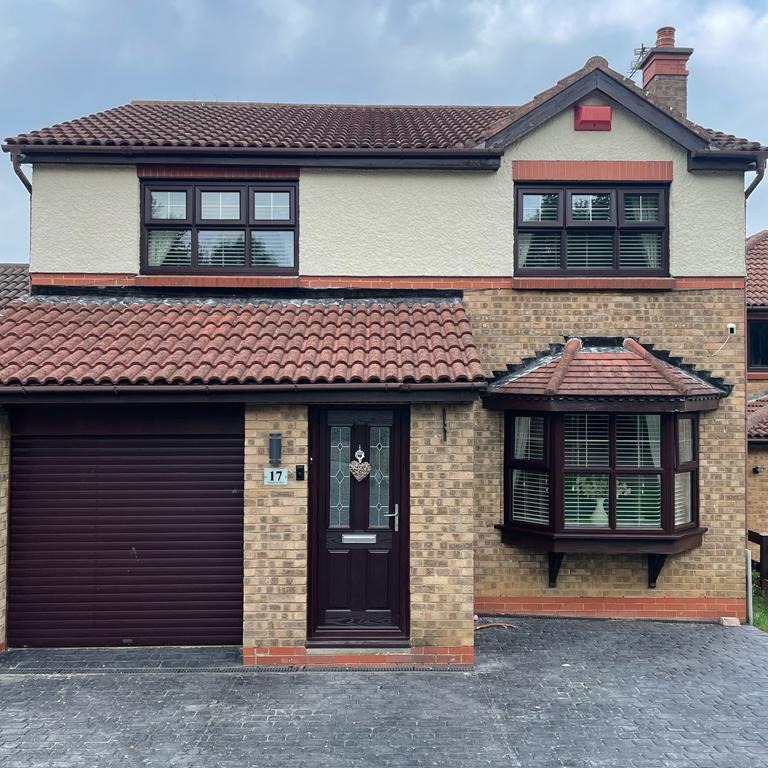
Bay and bow windows project outward from the main walls of a building, creating a bay inside that is often used as a cosy reading nook or an aesthetic feature adding character to a room. Bay windows typically have three openings, available in angled projections. Bow windows, on the other hand, have a curved structure, creating a rounded appearance on the outside of the home. Both types allow for lots of natural light and can make a room appear larger than it is.
Tilt and Turn Windows
Tilt and turn windows offer a dual functionality: they can open like a casement window by swinging inwards, or they can tilt from the top to provide ventilation while maintaining security. The tilt position is particularly useful for ventilation without exposing an open window to passersby, making them an excellent choice for ground floor apartments or bathrooms. These windows are also easy to clean from the inside and provide excellent insulation when closed.

Skylight and Roof Windows
Skylight or roof windows are installed in the slope of a roof and can transform an attic or upper room into a bright, airy space. These windows are fixed and do not open, but they bring in a lot of natural light. Roof windows, similar in design, can be opened to provide ventilation, making them practical for loft conversions where additional ventilation is needed. Both types are ideal for enhancing the energy efficiency of a home by reducing the need for artificial lighting during the day.
Cottage Windows
Cottage windows, often seen in rural homes and cottages throughout the UK, are characterised by their divided panes which give them a traditional, quaint appearance. These windows usually open outwards and are typically made from timber, although modern versions might use uPVC or aluminium for better weather resistance and lower maintenance.
Picture Windows
Picture windows are large, fixed panes of glass designed to offer a clear, unobstructed view of the outside. They do not open and are ideal for areas of the home where ventilation is not a primary concern, such as in a living room overlooking a scenic landscape. Picture windows are designed to make the most of the natural light and can be combined with operable windows for ventilation.
Slider Windows
Slider or sliding windows open horizontally with one sash sliding past another. This type of window is a great choice for modern homes with limited space since they do not require any outward space to open. They provide ample natural light and can be designed to be quite large, offering generous views and effective ventilation.
Custom Windows
For those who are looking for something unique or need to fit windows into an irregularly shaped area, custom windows are an option. Custom windows can be made to fit any shape or size and can include a combination of the types and features discussed. While they can be more expensive, they offer a perfect solution for matching the architectural style of your home while meeting specific design requirements. Windows are a significant investment in the comfort, aesthetics, and energy efficiency of a home. Each window type offers distinct advantages, and the choice depends on the room’s specific needs, the home’s architectural style, and the climate. It’s important to consider all these factors along with the maintenance required to ensure that your windows remain beautiful and functional for years to come. Contact the team of window experts at Swish Home Improvements to find out more about the fantastic range of windows we have available across the North East and North Yorkshire.


