

The Growing Popularity of Wood Burners in Modern Conservatories
Across the UK, homeowners are increasingly turning to creative ways of enhancing their living spaces. One such space that has seen a notable transformation is the conservatory. No longer just a summer sunroom, conservatories are being designed and retrofitted to serve as year-round living areas. Particularly in regions with a more temperate or colder climate, like North Yorkshire, the desire to stay warm and cosy throughout the year has led to a surge of interest in installing heating solutions—most notably, wood burners. If you’ve ever looked into conservatories in York, you’ve probably noticed a growing trend of homeowners integrating traditional charm with modern efficiency, and the addition of a wood-burning stove fits beautifully into that vision.
The appeal of a wood burner lies in its ability to create a rustic and inviting atmosphere while providing substantial heat output. In a conservatory, where glass and open views dominate, the warmth and visual comfort of a wood-burning stove can transform the entire experience. But as charming as the idea sounds, many people wonder whether it’s actually practical—or even permissible—to install a wood burner in such a space. This article explores everything you need to know about putting a wood burner in a conservatory in the UK, with a close eye on regulations, installation tips, and the benefits such a choice might bring.
Understanding What Defines a Conservatory
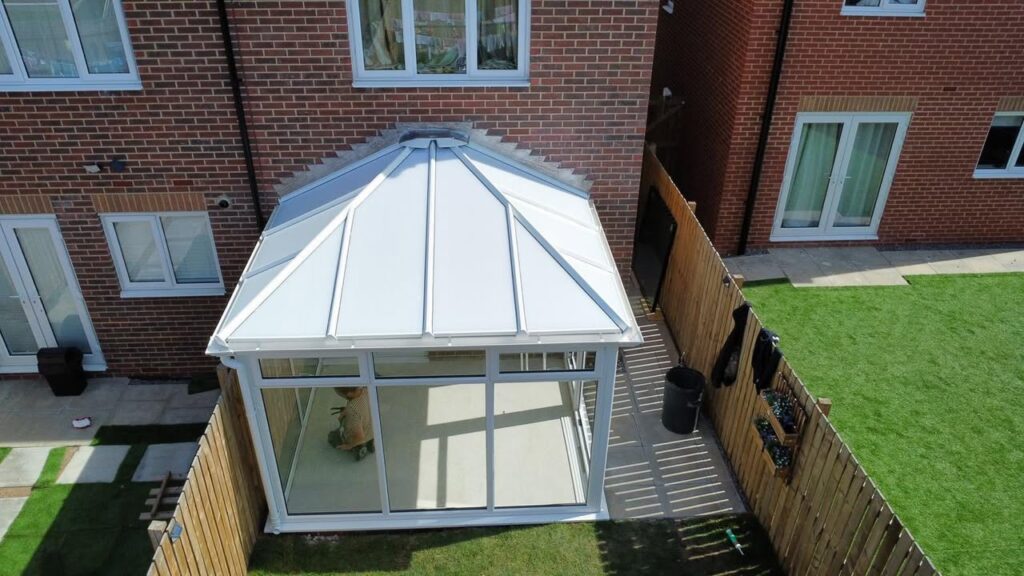
Before delving into installation, it’s important to define what a conservatory is in the UK. A conservatory is typically a glass-enclosed structure attached to the house, featuring a transparent or translucent roof and often used as an extra sitting or dining room. Because of their construction, conservatories can be susceptible to extreme temperatures—sweltering in the summer and freezing in the winter. This natural climate imbalance is what leads many to explore additional heating options.
Unlike other parts of the home, conservatories are built to different specifications. They may not be connected to the home’s central heating system, and they often fall under different planning permissions and building regulations. This unique setup makes the idea of installing a wood burner both appealing and complicated.
Can You Install a Wood Burner in a Conservatory Legally?
The short answer is yes, you can install a wood burner in a conservatory, but there are some critical factors you need to consider. In the UK, any solid fuel appliance—like a wood burner—must comply with Building Regulations, specifically Document J, which outlines the legal safety standards for combustion appliances and fuel storage systems. This includes considerations such as proper flue installation, ventilation, hearth placement, and minimum distances from combustible materials.
Additionally, while conservatories generally fall under “permitted development” and don’t require planning permission, installing a wood burner might change that. For instance, if your flue extends above a certain height or alters the external appearance of your property significantly, you might need to apply for permission. This is particularly relevant in conservation areas or listed buildings, where stricter rules apply.
Key Technical Considerations Before Installation
When contemplating the installation of a wood-burning stove in a conservatory, the structure itself plays a major role. Most conservatories are not built to hold the weight or sustain the heat of a typical stove, which means reinforcements might be necessary. The floor must be capable of bearing the stove’s weight and should be non-combustible or covered with a suitable hearth. A minimum distance between the stove and any glass or plastic surfaces must also be observed to prevent cracking or melting.
The flue is another crucial component. It must exit the conservatory and rise high enough to create sufficient draw while dispersing smoke safely. This often means routing the flue through the roof or an adjacent wall and extending it beyond the roofline of the house. Double-walled, insulated flues are typically used for external runs to minimise heat loss and ensure safety.
Ventilation and Air Flow Are Non-Negotiable
Proper ventilation is essential when installing a wood burner, particularly in a conservatory where air-tightness can vary dramatically. Without adequate air flow, combustion cannot occur efficiently, leading to smoke backflow or dangerous carbon monoxide build-up. UK regulations require a dedicated air vent for any stove over 5kW in output, and even smaller stoves benefit from some form of external ventilation.
Another factor to consider is the airtight nature of many modern conservatories. Double or triple glazing and high-quality insulation are great for energy efficiency but may stifle air movement. This makes the case for professional assessment and the potential installation of air bricks or other ventilation aids.
Choosing the Right Stove for Your Conservatory
Selecting the ideal wood burner is not just a matter of aesthetics. You’ll need to choose a model with the appropriate output for the space, taking into account the volume of the conservatory and the level of insulation. Too powerful a stove will overheat the room quickly, while an underpowered unit won’t provide enough warmth in winter months.
Small, efficient models designed specifically for compact or well-insulated spaces are a popular choice. Additionally, you might opt for a DEFRA-approved stove, which is permitted to burn wood in Smoke Control Areas—common throughout the UK. These models are designed to burn cleaner and more efficiently, reducing emissions and improving air quality.
Designing for Style and Function
The aesthetic appeal of a wood burner cannot be overstated. With models ranging from traditional cast iron to sleek contemporary designs, there’s something to complement every conservatory style. Positioning is key: ideally, the stove should be placed where it can be seen from multiple angles while maximising heat distribution throughout the room.
Accessories like log baskets, heat-resistant floor tiles, and fire guards can further enhance the charm and practicality of the setup. Some homeowners go a step further, integrating the stove into a larger design plan that includes stone features, chimney breast facades, or even built-in seating.
Insulation and Thermal Efficiency
While a wood burner can significantly boost the warmth of a conservatory, insulation should not be overlooked. Upgrading glazing, sealing draughts, and considering insulated roofing panels or blinds can dramatically reduce heat loss, allowing the stove to perform more efficiently. In the long run, better insulation also reduces the amount of wood needed, making the entire setup more economical and sustainable.
Conservatories built with thermal efficiency in mind are the best candidates for wood burner installations. Retrofitting an older glasshouse-style conservatory may require considerable upgrades to walls, floors, and roof systems to make it viable.
Environmental Impact and Sustainability
There’s a growing awareness around sustainability in the UK, and wood burners are at the centre of this conversation. While burning wood releases particulates into the atmosphere, modern stoves are considerably cleaner and more efficient than older models. Opting for well-seasoned or kiln-dried wood, ensuring your appliance is DEFRA-exempt, and maintaining your flue regularly all contribute to a greener setup.
For those passionate about environmental stewardship, wood-burning can still be a responsible heating choice when combined with sustainable forestry practices and mindful usage.
Safety First: What Every Homeowner Should Know
Safety cannot be compromised when installing a wood burner in any room, especially a conservatory where glass surfaces and enclosed spaces increase the potential risk. Carbon monoxide detectors are essential and should be installed in the same room as the stove. Fire extinguishers, heat shields, and routine maintenance should be part of your standard operating procedure.
It’s also wise to have your stove professionally serviced at least once a year and your flue swept regularly to prevent the buildup of creosote, a flammable byproduct of burning wood.

Cost Considerations: Initial Investment vs. Long-Term Value
Installing a wood burner in a conservatory is not a cheap undertaking. Costs can range from £1,500 to over £5,000 depending on the model, flue routing, structural adjustments, and labour. However, the long-term benefits—lower heating bills, increased property value, and improved comfort—can make the initial expense worthwhile.
In terms of value, a well-installed stove can become a key selling point for prospective buyers. As energy prices continue to fluctuate, the appeal of a self-sufficient, off-grid heat source becomes more attractive.
Installation: DIY vs. Professional Fitting
Although there are many talented DIY enthusiasts in the UK, installing a wood burner is not generally recommended as a do-it-yourself project. The safety implications, legal requirements, and technical knowledge involved demand professional expertise. A HETAS-registered installer will ensure compliance with all regulations, provide the necessary certification, and reduce the risk of costly mistakes or future hazards.
Professional installation also opens up access to warranty support, insurance coverage, and peace of mind—things that can’t be undervalued when dealing with live flames and structural modifications.
Wood Burners vs. Alternative Heating Options
While wood burners offer charm and efficient heating, they’re not the only solution for warming a conservatory. Electric radiators, underfloor heating, and even infrared panels are increasingly being used. Each has its own pros and cons in terms of installation ease, energy usage, and aesthetics.
Still, for those who value atmosphere and sustainability, the wood burner holds a special place. Its ability to deliver radiant heat and visual comfort is hard to replicate with any other heating method.
FAQs
Is planning permission always required for installing a wood burner in a conservatory?
Not always. In many cases, it falls under permitted development, but you should check with your local council, especially if your property is listed or in a conservation area.
Can I use any wood in my stove?
You should only use seasoned or kiln-dried hardwoods. Burning wet or treated wood can damage your stove and emit harmful toxins.
Is a flue always necessary?
Yes, every wood burner requires a flue to safely channel smoke and gases out of the conservatory and away from your home.
How much does it cost to install a wood burner in a conservatory?
Depending on your conservatory structure and chosen stove, costs typically range between £1,500 and £5,000.
Are there safety concerns specific to conservatories?
Yes, including proximity to glass, proper ventilation, and suitable hearth materials. These concerns can all be addressed by a professional installer.
Do I need to notify Building Control after installation?
If the installation is not done by a HETAS-registered installer, you must notify your local Building Control and have the work inspected.


