

Conservatories can be wonderful spaces — bright, versatile, and often used as dining areas, garden rooms, or even home offices. But over time, they may fall out of favour due to age, disrepair, or because homeowners want to replace them with something more modern and energy-efficient. If you’re considering removing an old conservatory, it’s important to understand what the process entails before getting stuck in. Dismantling a conservatory is no small task, and while it can be a DIY job for the confident, it’s always worth knowing what you’re getting into first. In this blog, we’ll walk you through the essentials of taking down a conservatory properly and safely. Whether you’re clearing the space for a new extension or simply restoring your garden to its former glory, we’ll help you plan and understand the removal process without relying on complicated guides or numbered instructions. Just straightforward, conversational advice tailored for a UK audience.
Understanding the Reason for Removal
Before taking any tools to the frame, it’s crucial to be clear on why you’re removing the conservatory in the first place. For many homeowners, conservatories built two or three decades ago no longer meet modern insulation standards and often feel too hot in summer or freezing cold in winter. They may be structurally sound but no longer practical, or they could be suffering from roof leaks, condensation issues, and deteriorating frames. In some cases, homeowners simply want a more functional space, like a full brick-built extension or a modern orangery. If you’re based in the North East, particularly in Northumberland, you may be familiar with Swish Home Improvements, widely recognised as the leading conservatory company in the area. While they’re best known for designing and installing beautiful, modern conservatories and extensions, they’re also experts when it comes to helping homeowners remove or replace older structures. Consulting professionals like Swish ensures you’re making informed decisions, especially when considering what might come next for your property.
Planning and Preparation
Before a single pane of glass is touched, a clear plan needs to be in place. Removing a conservatory is about more than just taking it apart — it involves assessing potential risks, checking if planning permission is needed for future projects, and understanding the condition of your existing structure. If you plan to build something in its place, you’ll also want to consult with local authorities or a planning consultant to avoid any compliance issues. It’s also a good idea to consider the materials used in your conservatory. Most older structures have aluminium or uPVC frames, polycarbonate roofing, and toughened safety glass. These materials need careful handling during removal, especially the glass and roof sections. You’ll also need to plan how to dispose of the waste, which often includes large panels, broken glazing, and even the concrete base if you’re taking it out entirely. During this preparation phase, make sure the area around the conservatory is clear of garden furniture, potted plants, or any outdoor structures that could obstruct the work. This helps create a safer working environment and speeds up the dismantling process.
The Roof Comes First
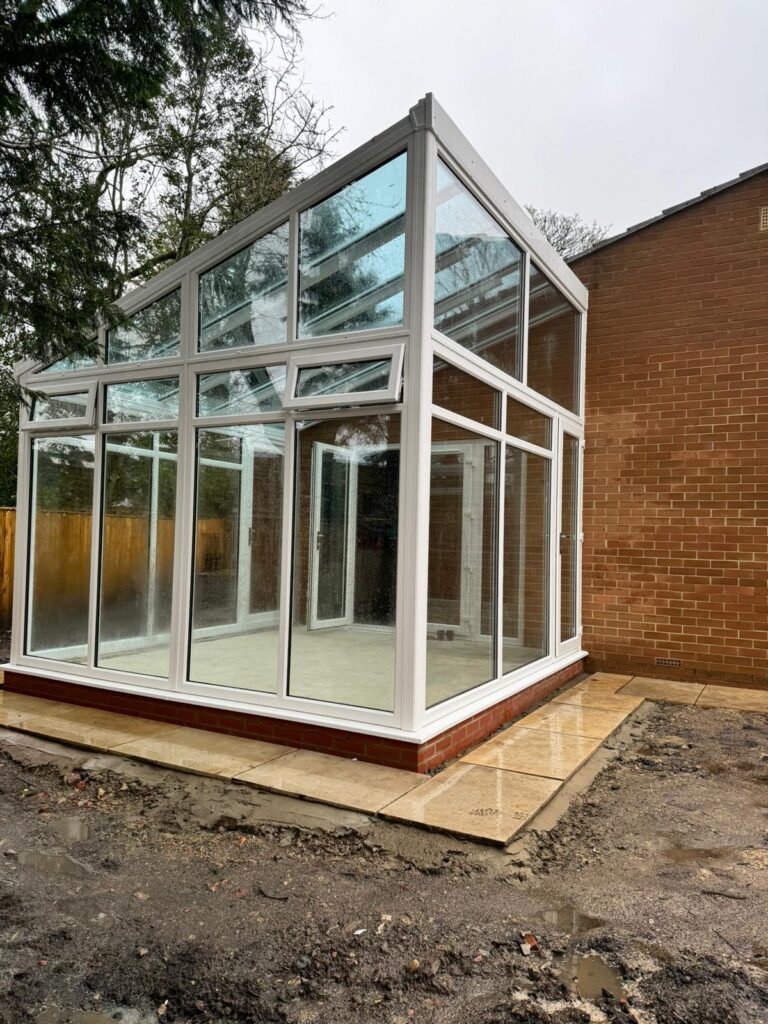
When it’s time to actually begin the dismantling, the roof should always be the first part to go. This might seem counterintuitive — why not start at ground level and work your way up? But the roof is often the most dangerous part and can pose a serious risk if not removed carefully. Older polycarbonate sheets or glass panels can be brittle and may crack or shatter unexpectedly. Typically, each panel will need to be individually unscrewed and carefully lifted down. Depending on how the roof was installed, there may be internal fixings or external beading that holds the panels in place. It’s essential to wear proper gloves and eye protection during this part of the job. Working slowly and methodically is key here, especially if you’re dealing with glass that’s been weathered or compromised over time. Once the panels are removed, the roof framework — usually aluminium or timber — will need to be taken down. This part can require a bit of force, particularly if it’s been in place for many years. Don’t be surprised if you come across rusted screws or stubborn bolts, so have the right tools on hand to deal with them.
Dismantling the Frames and Glazing
With the roof safely removed, the next stage involves taking apart the side frames and windows. These are usually made from uPVC, aluminium, or timber, and many are fitted with double-glazed units. Start by removing the opening sections of the windows, which can usually be unclipped or unscrewed depending on the make and age. Once the openers are out, the glass panels can be carefully removed from the frames. Removing glazing is perhaps the most delicate part of the job, particularly if the units are old and fragile. Take care to support the glass as you ease it out, and always keep a designated area clear where panes can be laid flat until they’re safely disposed of or recycled. You may need to pop off beading strips or seals that hold the glazing in place, and patience is key here — it’s better to take your time than to rush and risk injury. Once all the glass is out, the frame itself can be disassembled. Again, you might encounter some stubborn fixings, but with the right tools and a bit of persistence, they should come apart without too much drama. If the frame is timber, you might need a crowbar or pry tool to lift sections away from the wall or ground, particularly if they’ve been nailed or screwed into the original brickwork.
Removing the Conservatory Base
If you’re planning to completely eliminate the conservatory space and return your garden or patio to its previous state, you’ll likely want to remove the concrete base as well. This is usually the most physically demanding part of the job. Conservatory bases are often laid on a solid concrete slab with a surrounding dwarf wall made from bricks or blocks. To remove the base, you’ll first need to break up the concrete using a breaker or sledgehammer, depending on the thickness. This can create a lot of dust and debris, so make sure to wear appropriate protective gear and work in well-ventilated conditions. Any bricks from dwarf walls should be chiseled out carefully to avoid damaging nearby structures or paving. Some homeowners choose to leave the base in place, particularly if they plan to build a new conservatory or extension over it. If you’re going down that route, it’s worth having a builder assess whether the existing base meets current building standards, especially in terms of insulation and stability.
Dealing with Waste and Clean-Up
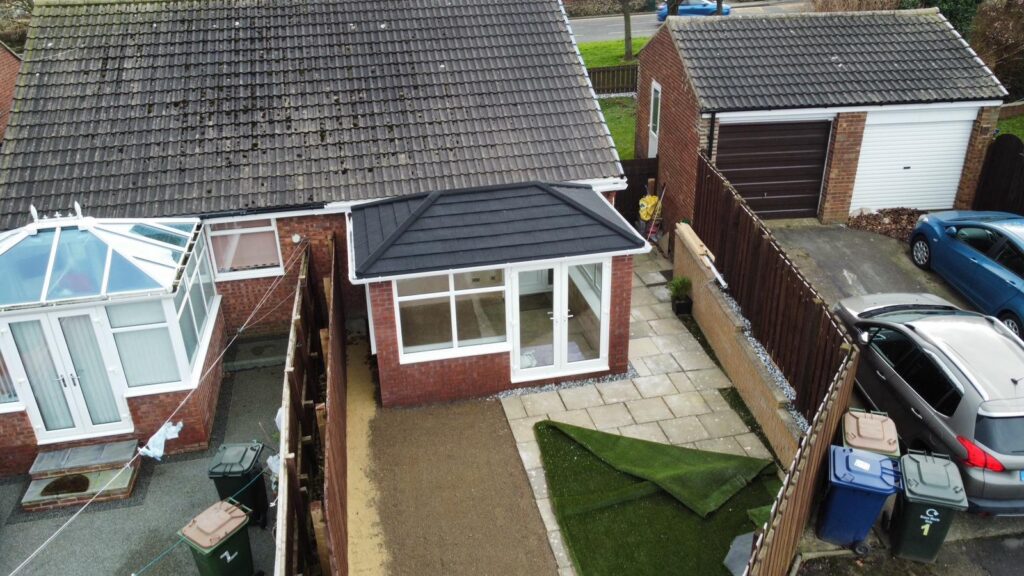
By the time your conservatory is fully dismantled, you’ll be left with a mix of materials — glass, uPVC, aluminium, bricks, and concrete. It’s essential to dispose of these responsibly. Most local councils offer bulky waste collection, but you may need to make arrangements for a skip or specialist waste disposal service, particularly for large quantities or hazardous materials like old glazing. Some of the dismantled materials, like aluminium frames and uPVC panels, can be recycled, so it’s worth separating them if you’re environmentally conscious. If you’re working with a contractor or conservatory company like Swish Home Improvements, they’ll often handle the waste for you as part of the service, which can save a lot of time and hassle. Once the materials are cleared, you’ll likely need to level the ground, especially if you plan to re-lay turf, install decking, or prepare for a new build. Any leftover fixings or brackets should be removed to avoid injury down the line.
What Comes Next?
After the conservatory is down and the site is cleared, the possibilities open up. You might opt for a sleek modern extension that provides better insulation and year-round usability. Others choose to reclaim the space for a larger garden, patio area, or even a hot tub or outdoor kitchen. Whatever your vision, taking down an old conservatory is often the first step toward a more functional and stylish home. If you’re unsure what the best next step is, especially in the Northumberland area, don’t hesitate to speak with the team at Swish Home Improvements. With their reputation for quality craftsmanship and local expertise, they can guide you from removal to replacement with ease — whether you’re dreaming of a new orangery or a bespoke garden room.
Final Thoughts
Taking down a conservatory is a big job, but one that can transform your home and outdoor space. With the right planning, tools, and approach, it’s entirely doable — whether you’re doing it yourself or calling in the experts. Just remember that safety should always come first, and that every conservatory is slightly different, so there’s no one-size-fits-all approach. By understanding the structure, tackling the project in the right order, and leaning on professional advice when needed, you’ll be well on your way to creating a new chapter for your home. And if you’re in Northumberland, Swish Home Improvements is the name you can trust to help you do just that — from removing the old to building something better. Contact us today for a free quote.


