

Replacing the windows in your home is one of the most impactful home improvements you can make. Whether you’re looking to enhance energy efficiency, improve security, reduce noise, or simply update the appearance of your property, a new window installation brings lasting benefits. However, for many homeowners, the idea of having windows replaced can feel daunting — especially if it’s the first time they’ve undertaken a project of this kind. Knowing what to expect during a window installation can make the entire process feel far less overwhelming. Understanding how it works from start to finish helps you prepare properly, ask the right questions, and feel confident in your decisions. In this guide, we’ll walk you through what happens during a typical window installation in a UK home, from the initial survey through to the finishing touches.
The Initial Consultation and Home Survey
Before any installation work begins, the process starts with an initial consultation. This is usually done in person, though some companies may begin with a phone or video consultation to get a general idea of what you’re looking for. At this stage, you’ll discuss your requirements, including the types of windows you’re interested in, the rooms they’re being fitted into, and any design preferences you may have. Following this, a surveyor will visit your home to carry out a full site assessment. They’ll take precise measurements of each window opening, assess the condition of existing frames, check access points, and look at any potential obstacles that might affect installation. This is also your opportunity to ask questions about materials, glazing options, finishes, and timeframes. The aim of the survey is to ensure that your new windows are made to measure, fit perfectly, and comply with relevant UK building regulations.
Choosing Your Windows and Finalising the Order
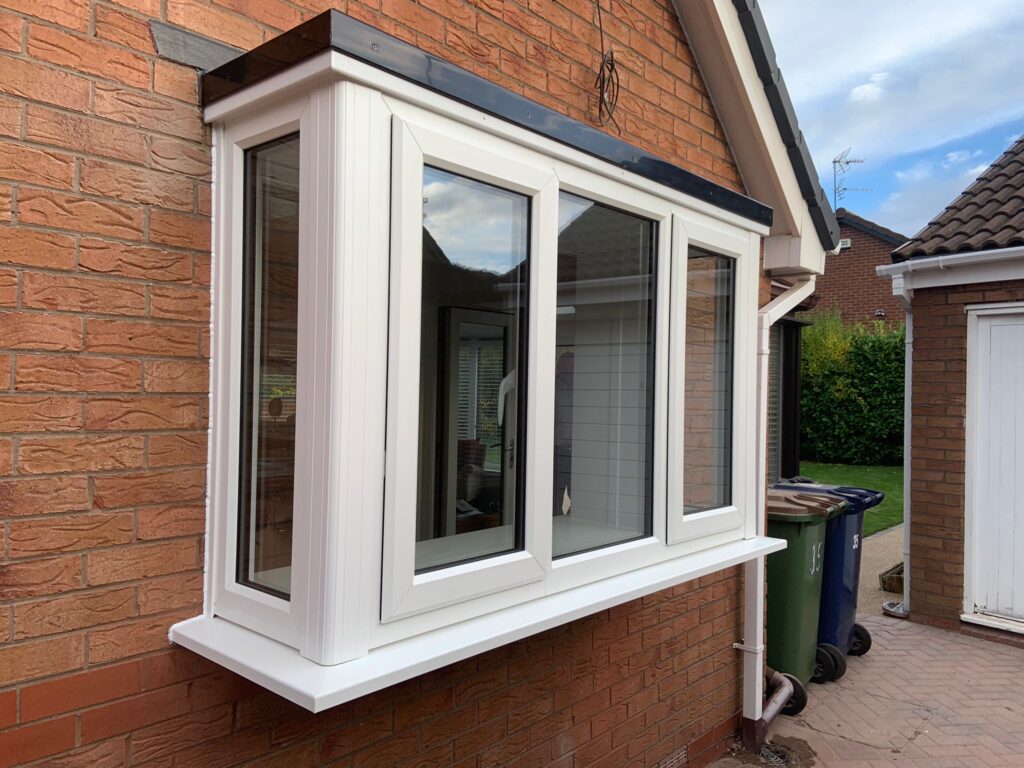
Once the survey is complete and you’ve had time to review the recommendations, the next step is to choose the specific windows you want to have installed. You might opt for casement windows for their practicality, sash windows to maintain a traditional aesthetic, or bay or bow windows to maximise light and space. Other options include tilt and turn windows for their versatility, or fixed windows to frame a specific view. Your installer will help you understand the pros and cons of each style in relation to your property type. They’ll also explain glazing options, such as double or triple glazing, acoustic glass for noise reduction, and toughened glass for added safety. Colour finishes, handle designs, frame materials, and ventilation options will also be confirmed. Once everything is agreed, your custom windows will be ordered and manufactured to your home’s exact specifications.
Preparing Your Home for Installation Day
Ahead of installation, you’ll usually be given a confirmed date or range of dates when the work will take place. Most installations take place over one to three days, depending on the number of windows being replaced and any complexities involved. Your installer will provide guidance on how to prepare your home before their arrival. This preparation typically involves clearing the areas around your windows — removing curtains, blinds, ornaments, and any furniture that may be in the way. It’s also advisable to keep pets and children out of the installation zones for safety reasons. Professional window fitters will do their best to work tidily, but laying down dust sheets and covering any valuables nearby can help protect your home from dust and debris.

Removal of Old Windows
The first task on installation day is removing the old windows. This process is done with care to avoid damage to surrounding walls, plaster, or internal finishes. The installers will remove the glazing and frames one by one, working room by room to minimise disruption. If any of the existing frames or surrounding materials have deteriorated, the fitters may need to make small repairs or adjustments to the opening before fitting the new unit. In some cases, especially in older properties, original wooden frames may have rotted or shifted over time. Skilled installers will know how to deal with these challenges efficiently and safely. Waste materials, including old windows, will be taken away by the installation team unless otherwise agreed. Reputable installers in the UK will also dispose of old materials responsibly in accordance with environmental regulations.
Installation of New Windows
With the old windows removed and the openings prepared, the new windows can be fitted. Each unit is carefully positioned in the opening and adjusted to ensure it sits square and level. The installers will secure the window in place using appropriate fixings and ensure all sides are properly insulated and sealed to prevent draughts, moisture ingress, or heat loss. The type of sealant and insulation used depends on the material of the frame and the construction of your home. For example, uPVC frames are often sealed with weather-resistant silicone sealants, while timber windows may require different treatments. Once the window is securely in place, the installers will fit handles, locks, and any trickle vents included in the specification. They’ll also test the opening and closing mechanisms to ensure everything functions smoothly.
Internal Finishing and Clean-Up
Once the external fitting is complete, attention turns to the interior. This may involve refitting window boards, sealing internal joints, and making good any plasterwork affected during removal or installation. If the windows are being installed as part of a wider renovation, this might be the point at which decorators or plasterers come in to complete the final finishes. Professional installers will always aim to leave your home as clean and tidy as they found it. This includes vacuuming up dust, wiping down surfaces, and disposing of any packaging or leftover materials. Many homeowners are surprised by how quickly and neatly a good installation team can work — particularly when the job is well-prepared in advance.
Quality Checks and Demonstration
Before signing off the project, your installers will carry out a final inspection of each window. This quality check ensures that the installation meets the manufacturer’s standards and complies with UK building regulations. It also gives the fitters a chance to make any final adjustments, such as tightening fittings or checking sealants. Once everything has been checked and approved, you’ll be shown how to operate your new windows — including how to open them safely, lock them securely, and clean them with ease. This demonstration is an important part of the handover process and ensures you get the most from your investment. You may also be given a product care guide and warranty information at this stage.
Certification and Compliance
In the UK, any replacement window installation must comply with current Building Regulations, particularly Part L (energy efficiency) and Part B (fire safety). To ensure compliance, the work must either be signed off by your local authority building control or carried out by a FENSA-registered installer. FENSA, or the Fenestration Self-Assessment Scheme, is a government-authorised body that certifies window and door installers. If your installer is FENSA registered, they’ll provide you with a certificate of compliance once the work is completed. This certificate is an important document and should be kept safely, as it may be needed when selling your home. It proves that the installation was carried out by a certified professional and meets all relevant standards.
Aftercare and Ongoing Support
Once your new windows are installed, they should give you years of reliable performance, improved comfort, and lower energy bills. However, it’s still important to keep up with basic maintenance. This includes cleaning the frames and glass regularly, checking seals, and lubricating moving parts if needed. A good installer will offer ongoing support, including a guarantee on both the product and the installation itself. At Swish Home Improvements, for example, we provide full aftercare for all our window installations across the North East. Whether you’re based in Durham, Sunderland, Redcar, or Stockton, our team is available to assist with any post-installation queries or support. If you ever notice a problem with a window — such as condensation between the panes, stiffness in the hinges, or damage to the seals — it’s best to get in touch promptly. Many issues are minor and can be resolved quickly if addressed early.
Making the Right Choice for Your Home
Choosing to replace your windows is a big decision, but understanding the installation process can make everything feel more manageable. With the right preparation, a professional installer, and clear communication throughout, window installation can be a smooth and stress-free experience. The transformation that new windows bring — in terms of comfort, efficiency, and style — is almost always worth the effort. At Swish Home Improvements, we take pride in making the installation journey as easy as possible for our customers. From your first consultation to the final inspection, we’re here to guide you, answer your questions, and ensure the highest quality result. Whether you’re upgrading one window or replacing them all, you can trust us to deliver outstanding service and expert craftsmanship every step of the way.


