

Choosing new windows for your home is a significant decision that affects more than just the appearance of your property. The style of window you select can influence how much natural light you enjoy, the feeling of space within a room, and even the overall energy efficiency of your home. Among the many options available, bay and bow windows stand out as two of the most attractive and functional styles — both capable of transforming the look and feel of any room. If you’re torn between these two popular window options, you’re not alone. Many UK homeowners find themselves trying to decide whether a bay or a bow window would better suit their home. While they might look similar at first glance, bay and bow windows have key differences in shape, structure, and functionality. Understanding those differences is crucial to choosing the right option for your space, your aesthetic preferences, and your budget. In this blog, we’ll explore the distinctions between bay and bow windows, look at the benefits of each, and offer guidance on which style might be best for your property.
What Are Bay Windows?
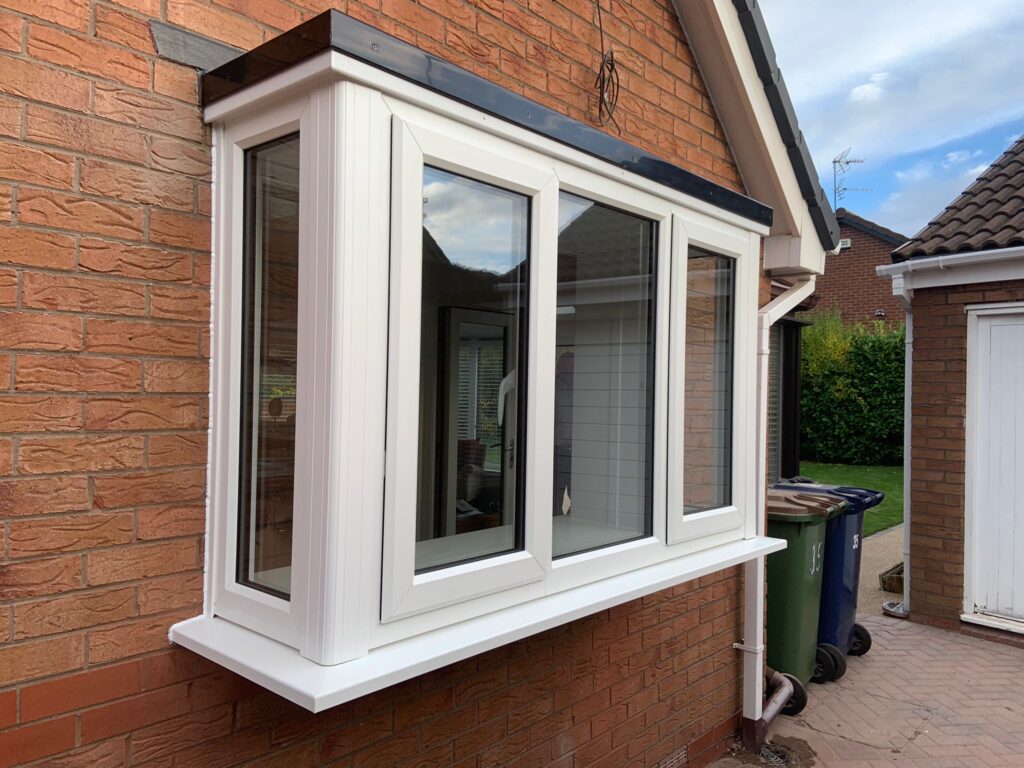
Bay windows have long been a popular feature in UK homes, particularly in Victorian and Edwardian architecture. Typically consisting of three sections, a bay window projects outward from the main wall of the building. The central section is usually a large fixed or casement window, while the side panels are often angled, creating a trapezoid shape that extends into the room. This protrusion forms a “bay” or alcove area that can be used as a window seat, reading nook, or simply a space to display plants or ornaments. Bay windows not only add dimension to the exterior of a home but also increase the internal footprint slightly, creating a more spacious and open feel inside. They allow more light into the room by capturing sunlight from different angles and can dramatically improve views. For homes on narrower plots or in areas where natural light is limited, bay windows are a fantastic way to make interiors feel brighter and more inviting.
What Are Bow Windows?
Bow windows are similar to bay windows in that they project outward from the house and create additional internal space. However, the key difference lies in their shape. Rather than the angular lines of a bay window, a bow window is made up of four, five, or more equally sized windows arranged in a smooth, curved arc. This design creates a softer, more elegant look and allows light to enter the room from more angles than a traditional bay window. Bow windows are often associated with more modern or Georgian-style homes, though they can be used to add charm and sophistication to almost any property. The gentle curve they create provides panoramic views and a sense of fluidity between indoor and outdoor spaces. Like bay windows, bow windows can also be used to create window seating areas, though the curve may require more custom-made solutions.
Comparing Light and Views
Both bay and bow windows are excellent choices if your primary goal is to let more natural light into your home. However, bow windows have the edge when it comes to the range of light angles and the breadth of view they provide. Because they consist of more panels set at narrower angles, bow windows wrap around more of the external wall and catch light from a wider arc. This results in a broader, more sweeping view of the outdoors and an even greater influx of natural light. Bay windows, with their more defined angles and typically three-panel structure, also do an excellent job of brightening up a room. However, the view from a bay window is generally more focused and directional — ideal if you want to highlight a specific part of your garden or external view. For rooms facing a single direction or with limited exposure, bay windows still offer a transformative increase in light and outlook compared to flat windows.
Space and Functionality
One of the main reasons homeowners choose bay or bow windows is the extra space they create inside the home. Bay windows tend to extend further into the room, offering a bit more usable floor space. This makes them especially useful in smaller rooms where a few extra square feet can make a big difference. Whether you want to add a bench seat, a display shelf, or just enjoy the extra breathing room, bay windows provide practical advantages alongside their visual appeal. Bow windows offer a more subtle increase in space. Their curved design means they don’t project quite as far into the room as bay windows do, but they do create a wide ledge and additional usable area near the window. This makes them a popular choice for living rooms, dining areas, and bedrooms where a more graceful transition between interior and exterior space is desired. While they might not add as much physical space as bay windows, the open feel they create can make a room feel larger and more luxurious.

Aesthetic and Architectural Style
The appearance of your home plays a huge role in which window style will suit it best. Bay windows, with their sharp angles and pronounced projection, tend to work beautifully with traditional or period-style properties. They often enhance the symmetry and detail of Victorian and Edwardian homes and are also commonly seen in 1930s semis. For those restoring an older home or looking to maintain architectural authenticity, bay windows are usually the more fitting choice. Bow windows, with their smooth curves and softer lines, lend themselves well to newer homes or those with more modern facades. However, they can also be used to add elegance and visual interest to plainer or more boxy-looking properties. The key is in the detailing — with a range of frame finishes, glazing styles, and materials available, both bay and bow windows can be customised to suit most home styles. If you’re unsure, a professional installer can help you visualise how each option would look on your specific property.
Energy Efficiency and Insulation
When it comes to energy efficiency, both bay and bow windows can perform exceptionally well — provided they are installed to a high standard using modern double or triple glazing. The quality of the glass, the integrity of the seals, and the frame material all play a crucial role in how well the windows retain heat and prevent draughts. Because both window styles involve multiple panes and a degree of projection from the main wall, they can be more susceptible to heat loss if not properly installed. However, with today’s technology, energy-efficient glazing units and insulated frame systems can make bay and bow windows just as efficient as flat window installations. Features such as low-emissivity coatings, warm edge spacer bars, and argon gas-filled cavities help ensure that heat stays inside during winter and unwanted warmth is kept out during summer.
Planning and Installation Considerations
If you’re thinking of installing bay or bow windows in a home that doesn’t currently have them, it’s important to be aware of the structural and planning considerations involved. Because both window styles project from the main structure of the house, some installations may require additional support or minor building work. This is particularly true for bay windows, which often need a foundation beneath them if they’re being added to a ground-floor wall. Planning permission is usually not required for bay or bow window installations in the UK, especially if you’re replacing an existing feature. However, if the installation changes the building’s footprint or appearance significantly — for example, in a listed property or conservation area — you may need to check with your local planning authority. A professional installer with experience in your region will be able to advise you and handle the necessary approvals if needed.
Which Window Style Is Right for You?
Ultimately, the choice between bay and bow windows comes down to your personal preferences, your home’s style, and how you want to use the space. Bay windows offer a bold architectural feature, a clear increase in internal space, and a timeless look that suits traditional UK properties. Bow windows, on the other hand, provide elegance, wide-angle views, and a softer aesthetic that blends beautifully with modern homes or those seeking a touch of refinement. In terms of cost, bow windows tend to be slightly more expensive due to the additional panels and more complex curvature, but this can vary depending on materials, sizes, and installation specifics. Either way, both options represent a smart investment in your home’s comfort, appearance, and value.
Expert Guidance and Professional Installation
Whichever style you choose, working with a reputable installer is key to ensuring you get the most from your new windows. At Swish Home Improvements, we specialise in installing high-quality bay and bow windows across the North East of England, including areas like Durham, Sunderland, Redcar, and Stockton-on-Tees. We help homeowners choose the right style for their property and ensure a smooth, hassle-free installation that delivers long-lasting performance. Whether you’re upgrading tired old windows or transforming a space entirely, our team is here to guide you through the process with expert advice, tailored design options, and a commitment to quality. From start to finish, we focus on delivering results that not only meet your needs but exceed your expectations.


