

When investing in home improvements, few upgrades are as impactful as replacing old windows with modern double glazing. Homeowners across the UK frequently choose double glazed windows for their superior energy efficiency, noise reduction, and added security. However, one of the most common questions people ask before committing to the investment is: how long does double glazing actually last? The answer isn’t entirely straightforward, as it depends on a variety of factors — from the quality of the materials to how well the windows are installed and maintained. In this comprehensive guide, we’ll explore the typical lifespan of double glazing, signs that it may need replacing, how to extend its life, and when it might make sense to upgrade.
What Is Double Glazing?
Before we get into its lifespan, it’s worth briefly explaining what double glazing actually is. Double glazed windows consist of two panes of glass with a gap in between, usually filled with inert gas such as argon or krypton. This layer acts as insulation, reducing heat transfer and helping to keep your home warmer in winter and cooler in summer. The design also reduces condensation, minimises external noise, and adds an extra layer of security to your windows. Modern double glazing often features low-emissivity (Low-E) glass, warm edge spacer bars, and improved sealing techniques, which all contribute to greater performance and longer lifespan compared to earlier models.
The Average Lifespan of Double Glazing in the UK
On average, well-made and properly installed double glazing in the UK will last between 20 to 35 years. However, this can vary depending on the quality of the materials, the location of your property, and how well the windows are cared for. For example, homes situated along the coast or exposed to harsh weather conditions may experience slightly reduced longevity due to the impact of wind, rain, and salt in the air. Similarly, south-facing windows that endure constant sunlight may suffer from faster deterioration of seals or frames. If your double glazing was installed in the 1980s or 1990s, and especially if it was one of the earlier-generation systems, it may be closer to the end of its useful life. In contrast, newer double glazing systems with advanced materials can comfortably exceed 30 years with the right care.
Factors That Influence the Lifespan of Double Glazing
The durability of double glazed windows doesn’t come down to luck. Several key factors contribute to how long they will remain effective. The first is the quality of the materials. Frames made from uPVC are popular in the UK thanks to their low maintenance and resistance to rot, but the grade of uPVC used can vary between manufacturers. High-grade uPVC, reinforced internally and treated for UV resistance, will outperform cheaper versions in both longevity and aesthetics. Aluminium and timber-framed windows, while typically more expensive, can also offer extended lifespans when properly maintained. Another major factor is the installation. Even the best windows can underperform if not fitted correctly. Poor installation can lead to gaps, drafts, and failed seals — all of which undermine the thermal performance of the unit and shorten its useful life. That’s why choosing an experienced and reputable installer is just as important as selecting the right product. Maintenance also plays a role. While modern double glazing is low-maintenance, it’s not completely hands-off. Regularly cleaning the glass and frames, checking for signs of damage or leaks, and making timely repairs can significantly extend the life of your windows. Finally, technological advancements mean that older units naturally fall behind in terms of performance. Even if your 25-year-old windows are technically still functioning, they may no longer meet modern efficiency standards or offer the same level of comfort as current models.

Signs Your Double Glazing Might Need Replacing
Even the most durable double glazing will eventually reach the end of its life. Fortunately, there are several clear indicators that your windows may be due for an upgrade. One of the most common signs is condensation between the panes. This indicates that the seal has failed, allowing moisture to enter the space between the glass. Once this happens, the insulating gas escapes, and the window loses its energy-efficient properties. Another red flag is draughts or noticeable temperature changes near the window. This could suggest that the seals around the frame have worn out or that the unit is no longer providing adequate insulation. Discolouration or warping of the frames — particularly on older uPVC units — is another sign of ageing. While this doesn’t always mean immediate replacement is necessary, it often indicates that the window is approaching the end of its lifespan. Increased energy bills can also be a clue. If your heating usage has gone up despite no major changes in your home, underperforming windows may be contributing to heat loss. Finally, difficulty opening, closing, or locking your windows can suggest that the frame has become misaligned or that the mechanisms are worn. These problems can compromise both the security and the thermal performance of the window.
Can Double Glazing Be Repaired Instead of Replaced?
In some cases, yes — especially if the issue is isolated or relatively minor. For instance, if only one or two window units have failed seals or condensation issues, it may be possible to replace just the affected glass panes rather than the entire window. Similarly, draughts or sticking mechanisms can sometimes be corrected through adjustments, seal replacements, or hardware upgrades. This can be a cost-effective option, particularly if the rest of the windows are still in good shape. However, if multiple units are failing, the frames are deteriorating, or the style is outdated and underperforming, it may make more sense to invest in a full replacement. This ensures your home benefits from the latest energy efficiency standards and eliminates the need for ongoing patchwork fixes.
How to Extend the Life of Your Double Glazing
While all double glazing will eventually need replacing, there are steps you can take to maximise its lifespan and performance over the years. Regular cleaning, using non-abrasive products and soft cloths, helps prevent grime from building up on both the glass and the frame. This isn’t just about appearance — dirt and debris can affect the functionality of hinges, seals, and drainage channels. It’s also wise to carry out occasional inspections, especially after storms or prolonged exposure to extreme weather. Check for any signs of moisture, damage to seals, or mechanical issues. Addressing problems early can prevent more serious damage down the line. Ventilation is another overlooked factor. Allowing your home to breathe properly reduces internal condensation, which can help protect seals and extend the life of your windows. This is particularly important in kitchens and bathrooms. If you have timber-framed double glazing, ensure the wood is treated and repainted regularly to prevent rot and maintain weather resistance. With proper care, high-quality timber windows can last for decades and still look fantastic.
Is It Worth Upgrading Before Your Windows Fail?
Many homeowners wait until their windows are visibly failing before considering replacement, but there can be real advantages to upgrading sooner rather than later — especially if your current double glazing is more than 15 to 20 years old. Modern double glazed windows offer far superior performance compared to older units. New technologies, better materials, and more advanced manufacturing processes mean you can expect better thermal insulation, reduced noise, improved security features, and sleeker designs. Upgrading proactively also allows you to plan the project on your own terms, rather than scrambling to replace failed windows during the winter or when you’re trying to sell your home. It also opens up opportunities to refresh the appearance of your property, enhance curb appeal, and potentially increase its market value.
Double Glazing and Energy Performance Certificates (EPCs)
With increasing emphasis on energy efficiency in the UK, especially in light of government targets for carbon reduction, having modern, high-performing double glazing can have a noticeable impact on your home’s Energy Performance Certificate (EPC) rating. This is particularly relevant for landlords and property investors, as regulations continue to tighten around the minimum EPC standards for rental properties. Installing modern double glazing can contribute to a better rating and ensure compliance with current and future legislation. Even for owner-occupiers, improved energy efficiency translates to tangible savings over time — and with energy costs remaining a concern across the UK, every little bit helps.
How Much Does It Cost to Replace Double Glazing in the UK?
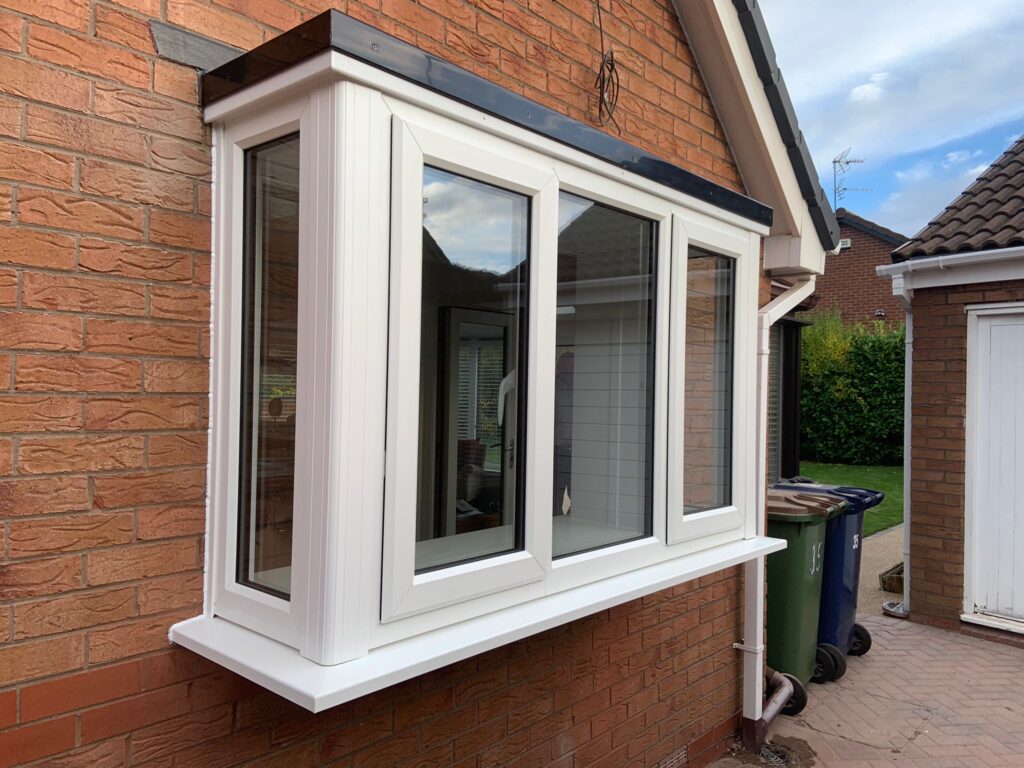
One of the biggest considerations when deciding whether to replace double glazing is the cost involved. In the UK, prices can vary depending on several factors, including the number of windows, the size and style, the materials used, and the complexity of the installation. For a standard uPVC casement window, you can typically expect to pay between £300 and £600 per window, including installation. Bay or bow windows, or those with specialist glazing options, will cost more due to their size and shape. Timber or aluminium frames also tend to come at a higher price point, but they may offer aesthetic or durability advantages, depending on your preferences. At Swish Home Improvements, we provide tailored quotes based on your exact requirements. Whether you’re replacing a single window or upgrading your entire property, we work with you to find a solution that fits your budget and your home. If you’re based in areas like Ingleby Barwick, Thornaby, or anywhere along the A19 corridor, our team is just a call away and always happy to offer advice with no pressure or obligation.
Is Triple Glazing a Better Long-Term Option?
As energy efficiency becomes a higher priority for many homeowners, triple glazing is often mentioned as an alternative to traditional double glazing. But is it worth the extra investment? Triple glazed windows consist of three panes of glass and two insulating air or gas-filled spaces. This offers even better thermal insulation and noise reduction compared to double glazing, which can be beneficial in colder regions of the UK or in properties close to busy roads or motorways. However, triple glazing is generally more expensive and heavier, which can impact installation, particularly in older homes where the frames or structure may not be designed to support the additional weight. In many parts of the UK, including Stockton-on-Tees, modern A-rated double glazing still offers excellent energy efficiency and performance for the average household. But if you’re building a new home, upgrading a high-spec property, or planning a long-term stay, triple glazing might be worth considering — and we’d be happy to discuss whether it’s a fit for your situation.
Choosing the Right Installer Matters
Even the best double glazed windows can underperform if they’re not installed correctly. Choosing a trusted, experienced installer is key to ensuring your investment delivers the results you expect. A poorly fitted window can cause draughts, moisture ingress, and even structural problems over time. That’s why at Swish Home Improvements, we put just as much emphasis on installation as we do on product quality. Our installers are fully trained, certified, and local to the Stockton-on-Tees area, meaning we understand the region’s climate, building types, and planning considerations. Whether you’re in Hartburn, Norton, or further afield in Middlesbrough or Redcar, we bring expert knowledge and a customer-first approach to every project. We never cut corners, and we always follow up to ensure you’re 100% satisfied with the results. A great window isn’t just about the glass — it’s about trust, professionalism, and a job well done.
Final Thoughts: Investing in Long-Term Comfort and Efficiency
So, how long does double glazing last? The honest answer is that high-quality double glazed windows, installed by professionals and maintained with care, can comfortably last 20 to 35 years — sometimes even longer. However, their performance does gradually decline over time, and technological advancements mean that older windows may no longer be meeting the standards homeowners now expect. If your current windows are nearing the end of their lifespan, showing signs of failure, or just not performing as well as you’d like, it may be time to consider a replacement. Upgrading to modern double glazing is a smart investment that pays off in improved comfort, lower energy bills, better noise insulation, and a fresher, more modern appearance for your home. At Swish Home Improvements, we understand that replacing your windows is a major decision. That’s why we offer honest advice, high-quality products, and professional installation throughout Stockton-on-Tees and the surrounding areas. Whether you live near the A66 or along the River Tees, our local team is here to help you make the right choice for your home. If you’re considering an upgrade or just want to know more about your options, get in touch with us today for a no-obligation consultation. We’re here to make your home warmer, quieter, and more secure — one window at a time.


