

Conservatories are a popular addition to homes across the UK, offering an attractive way to extend living space and bring in more natural light. Whether you use your conservatory as a dining area, lounge, garden room, or office, it becomes an integral part of your home. However, when it comes to maintenance—particularly cleaning or repairs—many homeowners are faced with a practical dilemma: can you actually stand on a conservatory roof? At first glance, it may seem like a simple enough idea. After all, accessing the roof directly might seem like the easiest way to clean moss, inspect leaks, or replace panels. But there are real risks involved in doing so, and it’s a subject that raises more questions than answers for many people. Is it structurally safe? Will you damage the roof? Are there legal or insurance issues to consider? And what should you do instead? In this guide, we’ll explore all aspects of this question. We’ll look at the materials conservatory roofs are made from, why standing on them is almost always a bad idea, what professionals do differently, and how you can maintain or repair your conservatory roof safely without putting yourself—or your home—at risk.
Understanding Conservatory Roof Structures
To fully understand why standing on a conservatory roof is risky, it helps to know how they’re built. Most conservatory roofs in the UK are constructed using lightweight materials, such as polycarbonate sheets or double-glazed glass panels, which are supported by a frame made from aluminium, uPVC, or sometimes timber. These materials are chosen for their insulation properties, durability, and lightness—not their strength under direct pressure. Conservatory roofs are simply not designed to bear weight in the same way that a house roof would. The panels may look secure, and the framework might seem solid, but that doesn’t mean it can hold your weight. In fact, putting even moderate weight on these panels can result in serious damage. Polycarbonate sheets can warp or crack, and glass panels can shatter completely. Even if the panel itself doesn’t break immediately, you could cause small fractures or loosen seals that lead to leaks and long-term structural problems. Additionally, the framework beneath the roof—while strong enough to support the panels and withstand wind and snow—can flex under unexpected weight. This may not be visible at first, but over time, small shifts in the structure can result in sagging, movement, and eventual failure of the conservatory roof. That’s why understanding the construction of your conservatory roof is crucial before attempting any work that requires close access to it.
Common Reasons Homeowners Consider Standing On Their Conservatory Roof
It’s understandable why homeowners might think about getting up on their conservatory roof. In many cases, it’s not out of recklessness but rather a desire to keep their home in good condition. Some of the most common reasons people want to access the roof include: They’ve noticed a build-up of dirt, algae, or moss, and want to give it a proper clean. Over time, especially in the UK climate, roofs can become covered in organic debris that blocks sunlight and makes the conservatory look untidy. Cleaning it off can make a huge difference to the room’s brightness and overall appearance. Another reason is to investigate leaks. Water ingress is a common issue in conservatories, especially older models. If water is coming in through the roof, many people believe the quickest solution is to climb up, inspect the area, and attempt a quick fix with sealant or tape. Additionally, blocked gutters and roofline components are a frequent headache. Water that doesn’t drain properly can cause overflow and even structural damage. Again, it’s tempting to hop up there and try to clear the blockage manually. Some homeowners are also drawn in by the idea of DIY roof replacements—especially if they’ve bought a new tiled or insulated roofing system and want to save money by fitting it themselves. While the intention is good, the execution can lead to accidents if proper safety precautions aren’t followed.
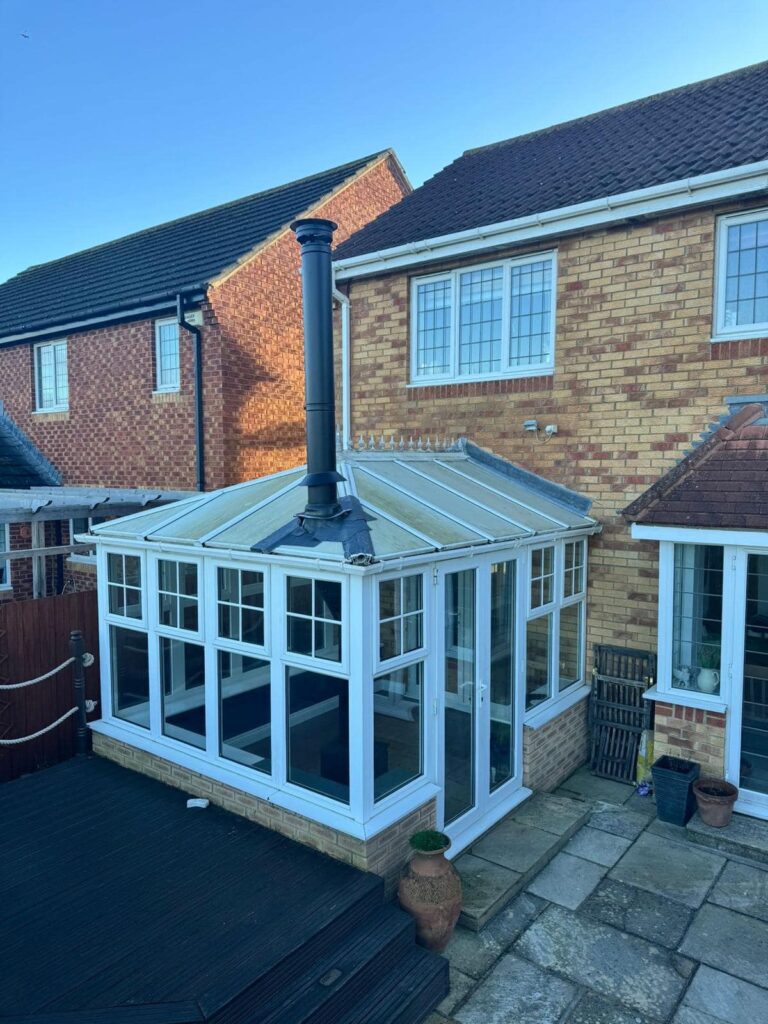
Why You Should Not Stand On A Conservatory Roof
Despite the temptation to get up there and sort things yourself, the risks far outweigh the benefits. The most obvious concern is your safety. Even a low conservatory can pose a real hazard if you fall. Glass and polycarbonate surfaces are often sloped, slippery, and difficult to walk on, especially if there’s moisture, moss, or grime present. One slip could result in serious injury, and standing on unsupported panels could send you crashing straight through them. The second major concern is damage to your conservatory. Standing on the roof could cause:
- Cracked or shattered panels
- Warped polycarbonate sheets
- Broken seals leading to leaks
- Misalignment of the supporting frame
- Structural instability over time
Even if there’s no visible damage immediately, you may have unknowingly compromised the roof’s integrity, which could lead to leaks, draughts, or worse down the line. Another consideration is your warranty. Many conservatory manufacturers and installers include clauses in their guarantees that exclude damage caused by unauthorised access. If you stand on the roof and something goes wrong, you could void your warranty, leaving you liable for all repair costs. Finally, consider your home insurance. If you cause damage to your property while doing something that would be considered unsafe or inadvisable—like standing on a fragile roof—your insurer may not cover it. That could turn a minor repair into a major expense.
What Do The Professionals Do Differently?
When professionals like Swish Home Improvements carry out repairs or maintenance on a conservatory roof, they approach it with caution and preparation. Importantly, they do not simply climb on the roof and walk across it. Instead, they use:
- Scaffold towers or access platforms to work around the conservatory
- Roof ladders that distribute weight across several joists
- Bridging boards that spread their weight evenly
- Safety harnesses to prevent falls
Professionals are trained to understand the weak points of conservatory roofs and how to avoid them. They also carry liability insurance to cover the rare occasion when something does go wrong. In contrast, a homeowner taking a risk without proper tools or training not only risks injury but may also cause expensive damage that isn’t covered by insurance or warranty. Some companies even specialise in conservatory cleaning and maintenance, using water-fed poles, high-reach vacuums, and soft-bristled brushes to clean thoroughly without ever stepping foot on the roof. This means you get a spotless result without any of the danger or damage that could come from doing it yourself.
Safe Alternatives To Standing On The Roof
If you’re looking to clean, inspect, or carry out minor maintenance on your conservatory roof, the good news is that there are safer ways to do it. Start with extendable cleaning poles fitted with soft brush heads or window-washing pads. These allow you to reach the roof from the ground or a safe step ladder without applying pressure to the panels. For gutter cleaning, telescopic gutter vacuums and high-reach scoop tools can be used to clear out debris while keeping your feet firmly on the ground. If the roof or guttering needs inspection, try using a camera on an extension pole, or even a drone, which provides a clear view of hard-to-reach areas without risk. If access is absolutely necessary, hire a mobile scaffold tower or work platform. These provide a safe, stable way to reach the conservatory roofline for close-up tasks without compromising safety or roof integrity. And of course, if in doubt, call in a professional. It may cost more than a DIY attempt, but it could save you a lot in the long run—not only in terms of potential roof repairs but also peace of mind.
How Roof Type Affects Load-Bearing Capacity
Not all conservatory roofs are made the same, and the type of roof you have can affect how much weight—if any—it might be able to support. Traditional polycarbonate roofs, which are still found on many older conservatories, are among the weakest when it comes to load-bearing. These panels are lightweight and relatively flexible, which is excellent for thermal efficiency and cost, but terrible for handling pressure. Even modest weight from a person’s footstep could cause them to bow or crack. Double-glazed glass roofs offer a little more strength, particularly if toughened safety glass has been used, but that doesn’t mean they’re safe to walk on. While they may withstand more environmental pressure like snow or heavy rain, they are still vulnerable to concentrated loads like a person’s weight on one point. Modern tiled conservatory roofs—particularly those designed with structural support in mind, such as Supalite or Guardian roof systems—are stronger by design. However, even these are not typically rated for foot traffic without specific construction reinforcements. If your conservatory has been upgraded with a solid roof, it’s worth checking with the installer or manufacturer before attempting any work involving access to the surface.
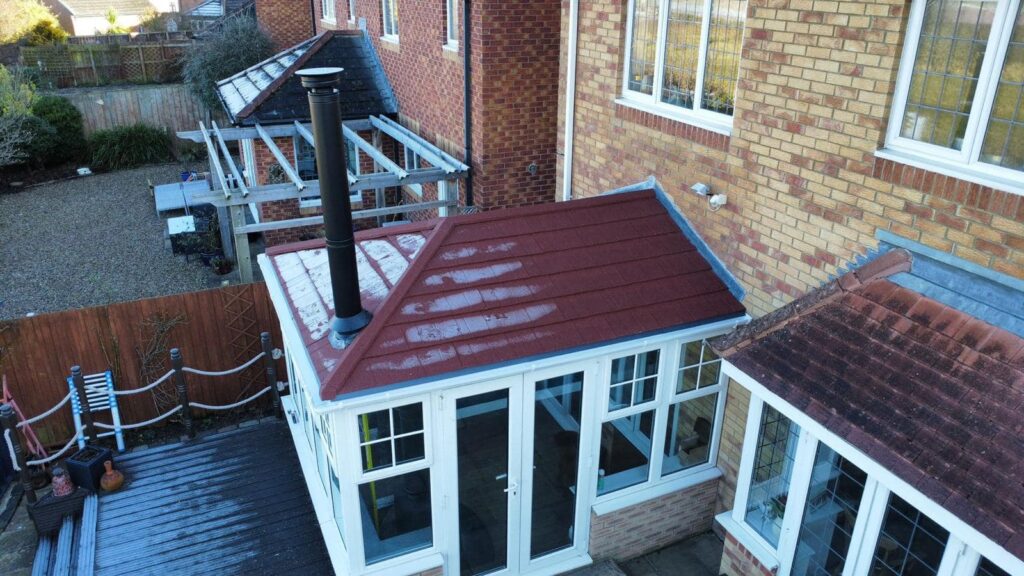
Using a Professional Conservatory Roof Cleaning Service
If the idea of climbing ladders or working around fragile roof structures sounds unappealing, you’re certainly not alone. Many homeowners across the UK now opt for professional conservatory roof cleaning services—and for good reason. These specialists are trained not just in effective cleaning techniques, but also in safe access procedures that prevent damage to the roof or injury to themselves. A professional team will arrive with extendable, water-fed poles, soft bristle attachments, eco-friendly cleaning agents, and in many cases, gutter vacuums and inspection cameras. These tools are designed to deliver a deep clean without the need to walk on the roof or rest ladders against delicate surfaces. The result is a sparkling clean conservatory roof, with no risk of cracks, broken seals, or dislodged panels. Additionally, these services often include a visual inspection as part of the package. That means you’ll be alerted to potential issues like missing sealant, small cracks, or moss growth before they become serious problems. It’s an efficient, hassle-free way to maintain your conservatory—without stepping a foot off the ground.
Can You Reinforce A Conservatory Roof To Make It Walkable?
It’s a fair question: if conservatory roofs aren’t safe to walk on by default, is it possible to reinforce them so they can support occasional foot traffic? The answer depends largely on the structure itself, as well as the outcome you’re aiming for. If your current roof is made of glass or polycarbonate, it would likely need to be fully replaced to become load-bearing. Retrofitting reinforcements beneath existing panels is rarely cost-effective or structurally advisable. Instead, if regular access is required—perhaps for maintenance of upper-floor windows, solar panels, or guttering—a solid, tiled roof system designed to support additional load may be a better choice. Systems like Supalite or similar offer robust construction methods that incorporate additional support beams, thicker insulation panels, and stronger tiles. However, even with these modern systems, walking on the roof is still not generally recommended unless specifically designed and approved for that purpose. In all cases, speak to a conservatory specialist or structural engineer before attempting any alterations. They can assess whether reinforcement is feasible and safe, and ensure compliance with UK building regulations.
How Weather Conditions Make Roof Access Even Riskier
In addition to the structural risks of standing on a conservatory roof, the weather plays a major role in making the task even more dangerous. In the UK—especially in areas like York where damp, windy, or icy conditions are common—roofs can become extremely slippery due to moisture, moss, or frost buildup. Even if your conservatory roof looks dry, morning dew, algae growth, or microfilm layers of dirt can make the surface treacherous underfoot. Sloped roofs, like lean-tos or Edwardian styles, are particularly hazardous in wet conditions. Wind is another risk, as gusts can destabilise ladders or scaffolding, increasing the likelihood of falls. Plus, weather-related weight—like accumulated snow or rainwater—can place additional stress on already fragile panels. Attempting to access the roof during or after poor weather could not only damage the materials but also put your safety at serious risk. For all these reasons, we strongly advise against DIY roof work in less-than-perfect weather and always recommend waiting for dry, calm conditions—or better yet, leaving the job to professionals with the right gear and training.
Why Modern Roof Upgrades Improve Safety and Longevity
If you’re concerned about the condition of your conservatory roof, a modern upgrade can dramatically improve both safety and usability. Traditional polycarbonate and older glass roofs have limited strength, poor thermal performance, and a tendency to degrade over time. By replacing your old roof with a lightweight tiled system, such as a Supalite or Guardian warm roof, you benefit from better insulation, reduced noise, and a more robust structure—one that’s less likely to suffer from warping, leaks, or moss buildup. While these new roofs still aren’t designed to be stood on, they can safely support more environmental weight (like snow or debris) and are generally more durable in the long term. They also reduce the need for frequent cleaning or patch repairs, as their surfaces are engineered to resist the kind of buildup that leads people to climb up there in the first place. If your conservatory is feeling outdated or problematic, upgrading the roof isn’t just about aesthetics—it’s an investment in your home’s long-term performance and your personal safety.
When to Call a Conservatory Roof Specialist
Knowing when to involve a conservatory roofing professional can save you a great deal of time, money, and risk. While some homeowners might attempt minor cleaning or inspections themselves, certain warning signs call for expert help. These include persistent leaks, visible cracks in panels or seals, unusual draughts, signs of mould or condensation, or sagging along the roofline. Attempting to patch these issues yourself can sometimes do more harm than good—especially without the right access equipment or technical knowledge. A qualified installer or repair specialist can assess the full condition of your roof safely and recommend the best course of action, whether it’s targeted repair, resealing, or full roof replacement. Professionals also bring peace of mind through insurance cover and work guarantees—something no DIY attempt can offer. If you’re in doubt, or if the roof is more than 10 years old, it’s wise to book a professional inspection. It could prevent a minor issue from turning into a major, expensive problem, and ensure your conservatory stays safe and usable for years to come.
Conclusion
So, can you stand on a conservatory roof? The honest and safest answer is no. These structures are not built to support the weight of a person, and doing so can result in serious damage or injury. While it might seem like a straightforward solution for cleaning or maintenance, it’s rarely worth the risk. With plenty of safer, smarter alternatives available—from extendable tools to professional help—you can maintain your conservatory roof without ever stepping onto it. Whether you need a deep clean, a quick repair, or a long-term upgrade, there’s always a safer route than climbing up there yourself. By choosing the right tools or the right team, you protect both your home and your own wellbeing—ensuring that your conservatory remains a bright, beautiful, and safe part of your living space for years to come. Contact us to find out more.


